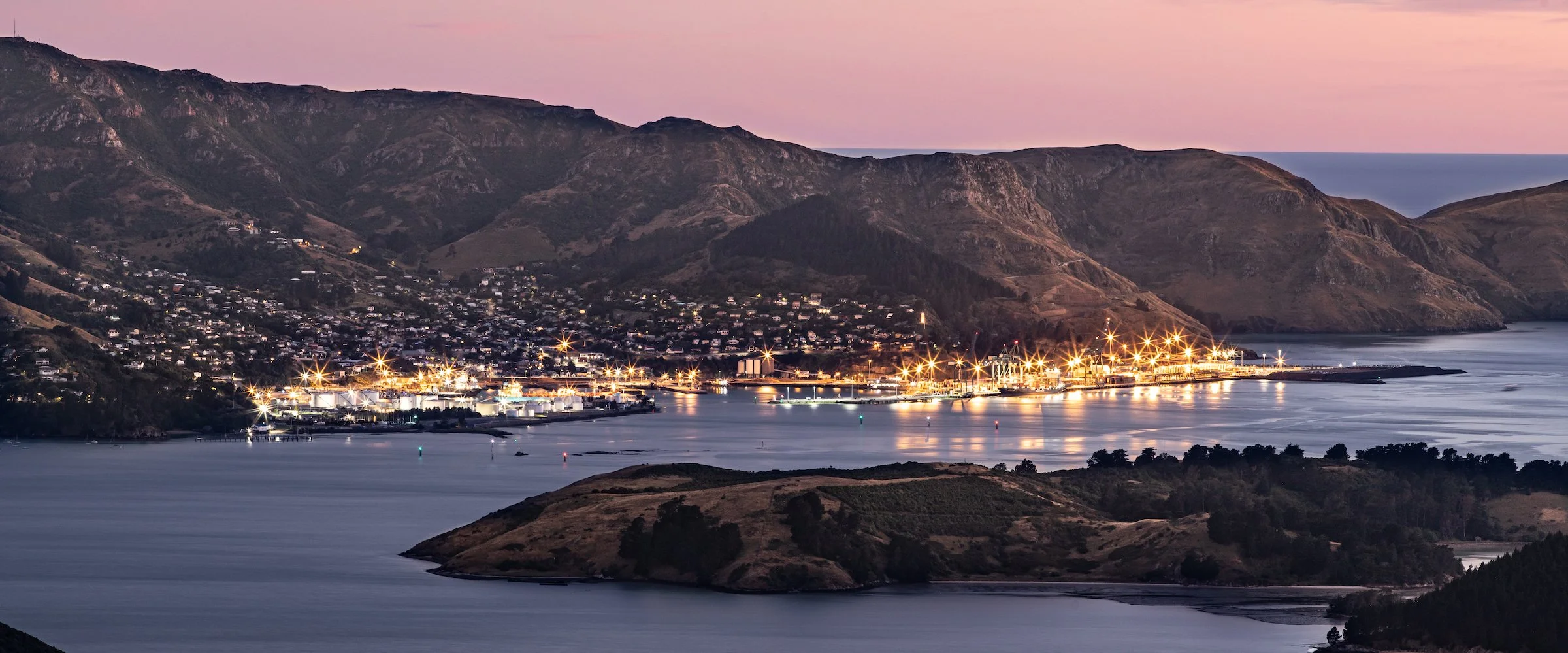
Lyttelton. It’s A OUR
Working port.
Christchurch City Holdings Ltd (CCHL) has approved a capital project with a price tag more than twice the cost of the Council's funding towards Te Kaha (the stadium) — close to a billion dollars — without any of the commensurate transparency, public consultation, and accountability.
This is a billion dollars of our public money spent without consulting you or even informing you of the information that supports why this is necessary.
You deserve to have a say. Help keep control of our public infrastructure.
HOW CAN You HELP? take 2 minutes to do 3 Easy things:
Pressure the Mayor with one click!
Email CCHL with one click!
Sign our petition
Other ways to help
Join the campaign
Download our printable KOPP campaign material
meetings & EVENTs
The campaign to Keep our port public will be continuing to mobilise to ensure public infrastructure is retained in public hands. Keep an eye on our events page for more info on upcoming meetings and activations.
In July and September of this year, the community of Lyttelton packed out the Maritime Union Hall to hear from community advocates, trade unions, environmental groups, and experts from CICTAR — an international research group on taxation and corporate responsibility. View a recording of the event here.
1. email the Mayor — Demand Transparency Over Billion-Dollar Te Awaparahi Bay Reclamation
2. Pressure CCHL — Have A Say: Tell CCHL To Disclose the Case - It’s Not Their Choice To Make
3. sign the petition
Add your name to the list of people, civil society groups, and businesses sharing concerns that the “at-arms-length” corporate managers of Lyttelton Port Company (LPC) and CCHL have been going rogue in implementing agendas with potentially significant ramifications on local workers and the local economy, without public scrutiny, transparency or consultation.
CCHL has resisted attempts by members of the public and Council to get a hold of vital information that could demonstrate (or disprove) the basis of why authorising this capital project was necessary or appropriate.
The Christchurch City Council and Mayor were returned to office last year by Christchurch voters on a clear public mandate that Christchurch’s public infrastructure should remain in full public control. A Talbot Mills survey last year found more than two-fifths of residents felt public assets should be governed directly by democratically elected board members or Council officials. And two-thirds supported bringing more infrastructure, strategic industries other social utilities (such as roading and maintenance) into local public ownership.